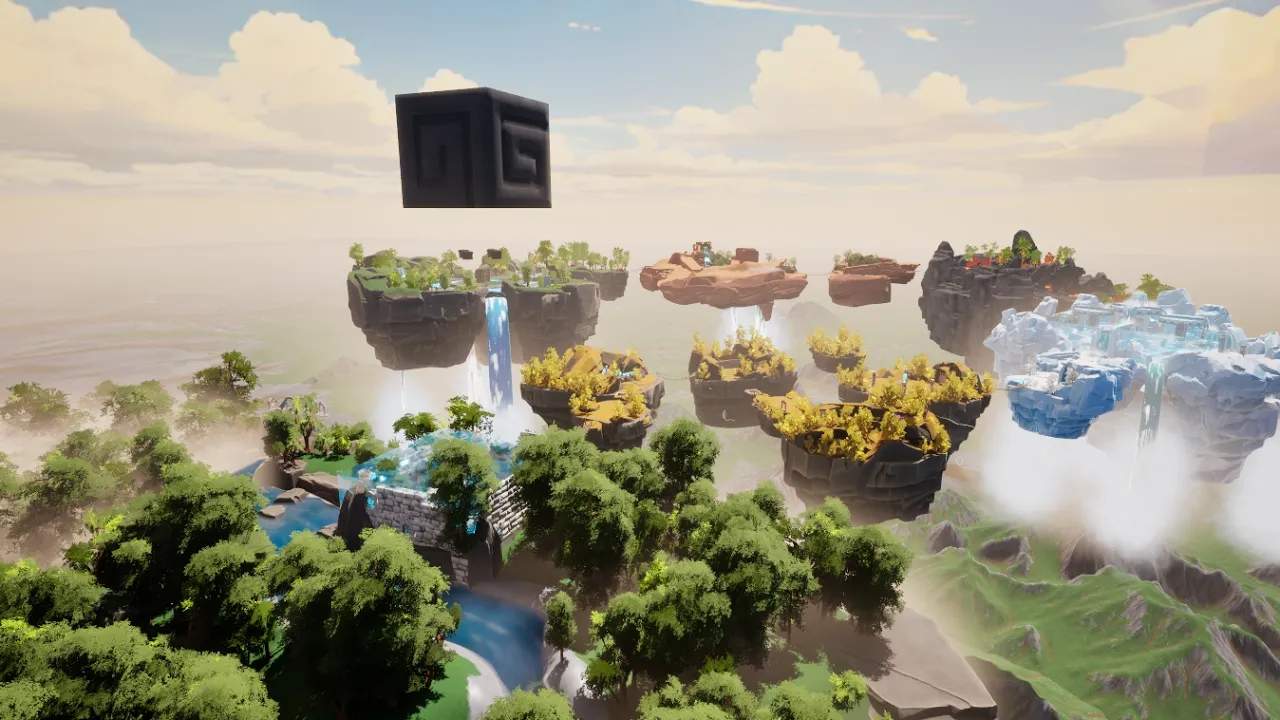
Week 1–2: Concept, Planning & Direction
The first weeks were about finding the game direction and turning the theme into something playable. I helped shape the idea with the team and started organizing the design side of the project.
Key work:
FigJam brainstorming and voting
Early game flow planning
MVP / NTH planning
Meeting notes
Presentation preparation
Initial puzzle and island progression ideas
Week 3: Tutorial & First Blockouts
Once the core idea was clear, I moved into Unreal Engine and started testing how the first gameplay spaces should work. This helped me see if the tutorial and first island made sense before the art pass.
Key work:
Tutorial puzzle flow
Air Island first blockout
Early player path testing
Tower, gate, and puzzle object placement
Layout changes after feedback
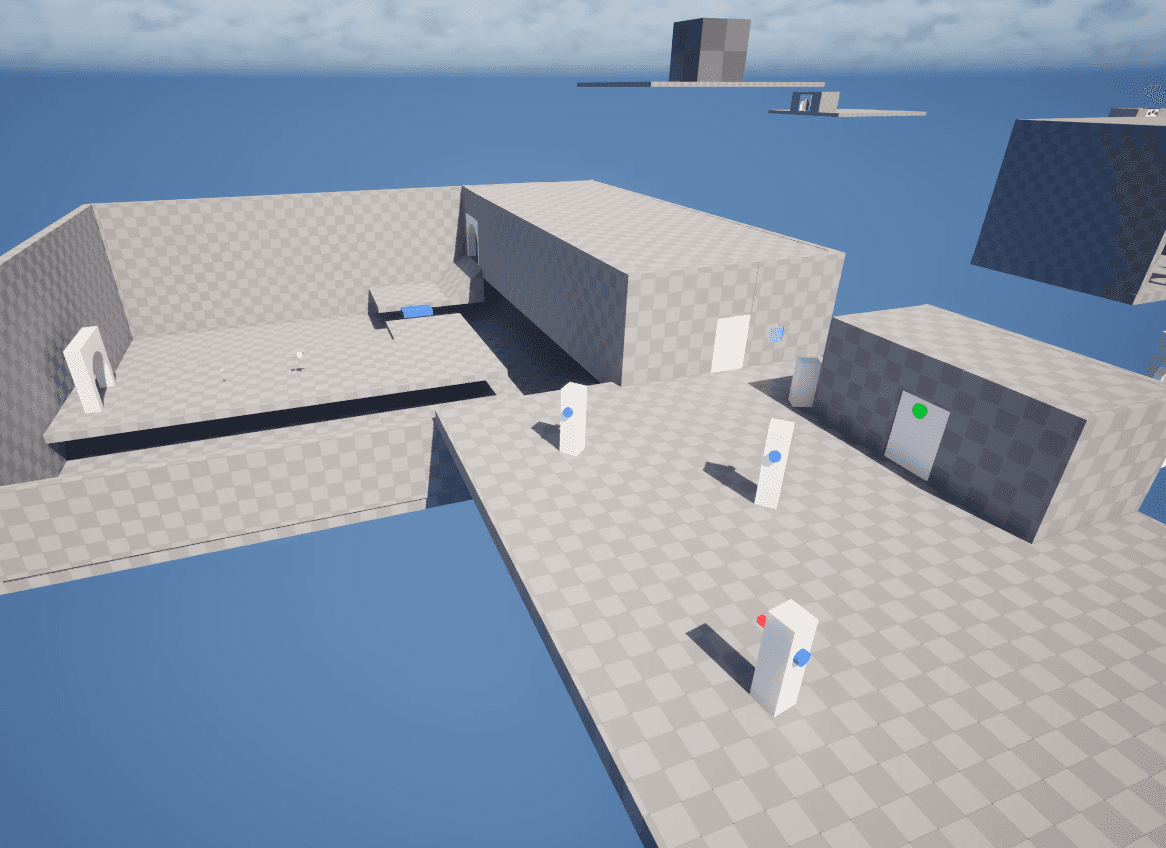
The tutorial puzzle introduced movement, light beams, rotating towers, and switching between Cerina and the cube.
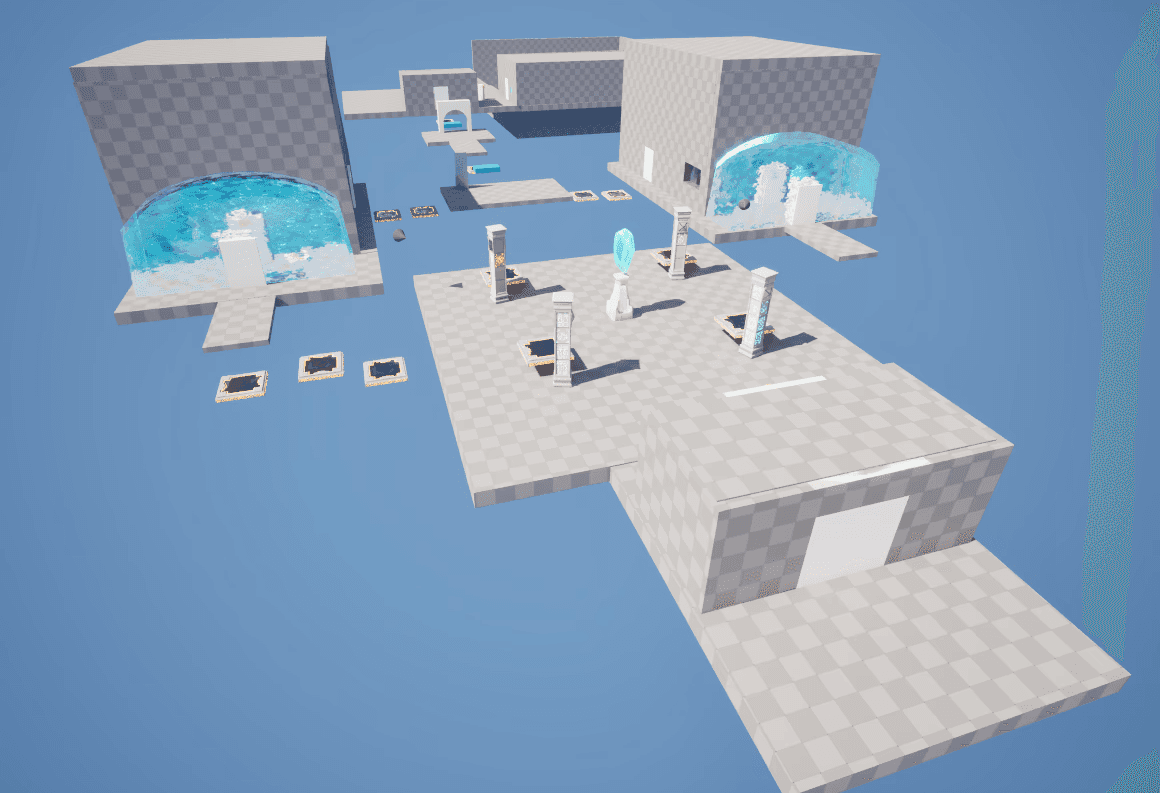
Air Island was built around floating platforms, traversal, light beams, tower rotation, and cube switching. The main goal was to introduce the Air ability in a clear way while connecting it to both platforming and puzzle solving.
Week 4–5: Island Puzzle Design
This period was the main design stage for me, where I worked on the puzzles across all islands. I focused on making each island have its own mechanic while still connecting to the full game progression.
Key work:
Puzzle design for Tutorial, Air, Water, Fire, Earth, and Cube Island
Puzzle dependency graphs
Water Island vertical layout
Fire and Earth ability puzzle planning
Cube Island final puzzle structure
Blockout testing and puzzle iteration
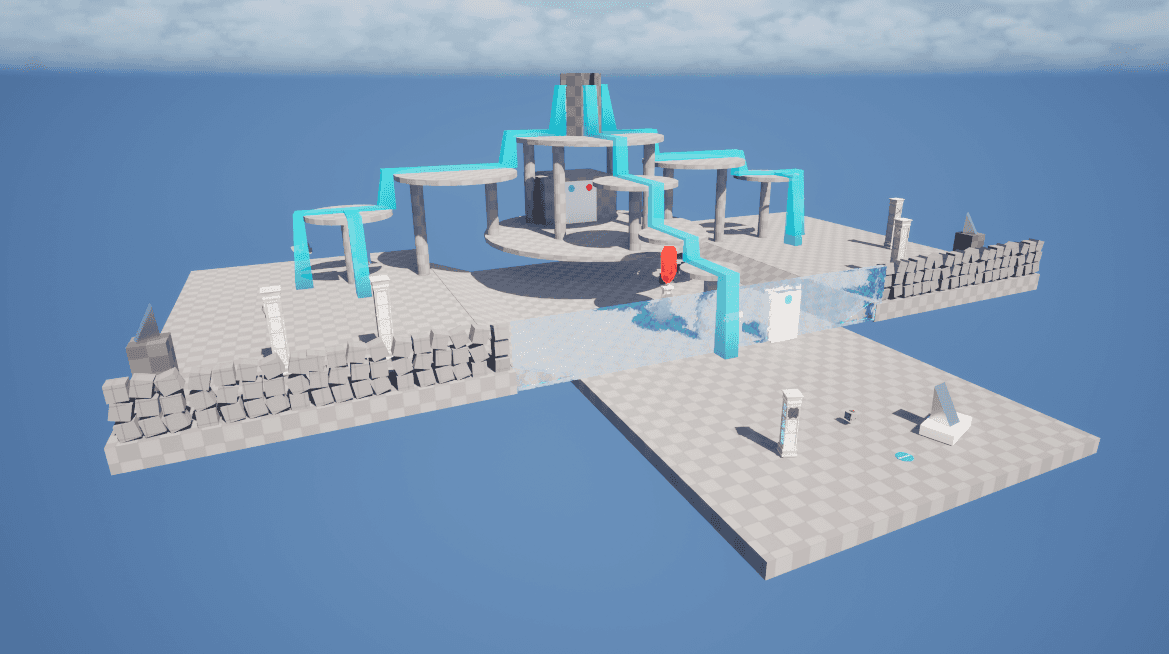
Water Island was designed as a vertical puzzle space inspired by the Hanging Gardens of Babylon. The main mechanic was freezing water into reflective ice, which redirected light beams through the hub, side puzzles, and final gate.
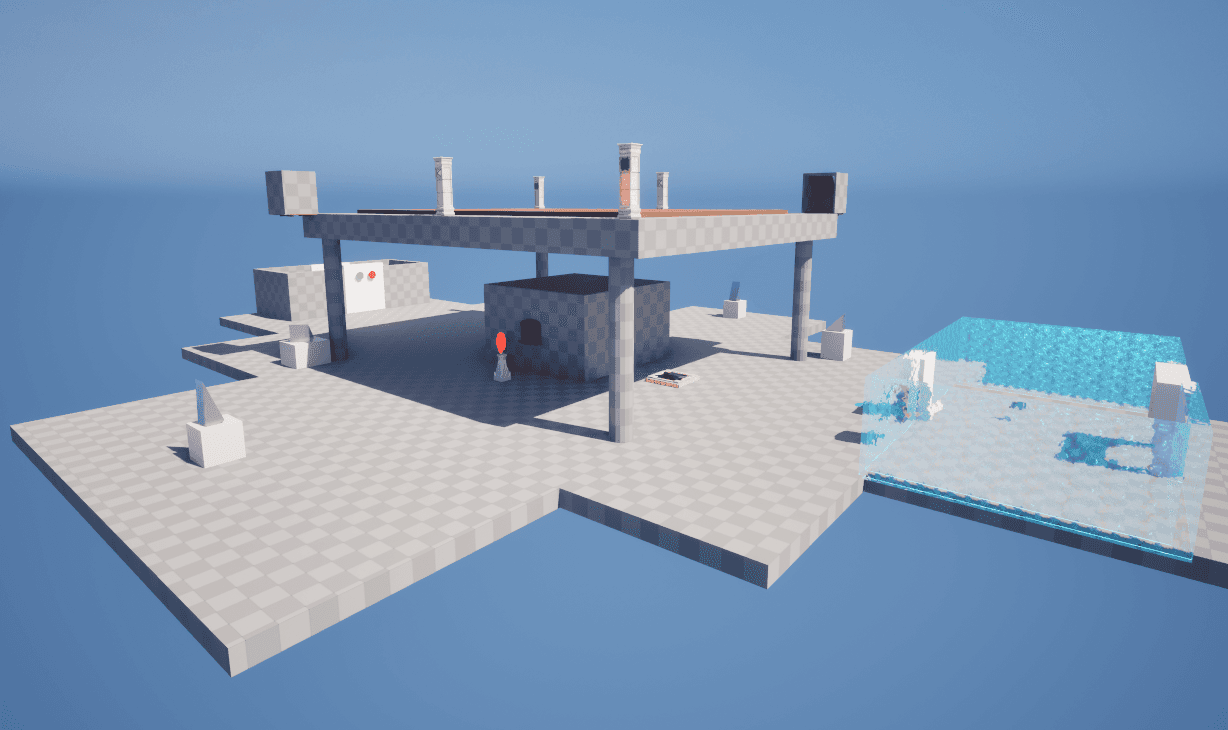
Fire Island focused on burnable objects and opening paths through environmental interaction. The main design goal was to make it clear what could be burned and how the fire mechanic connected to progression.
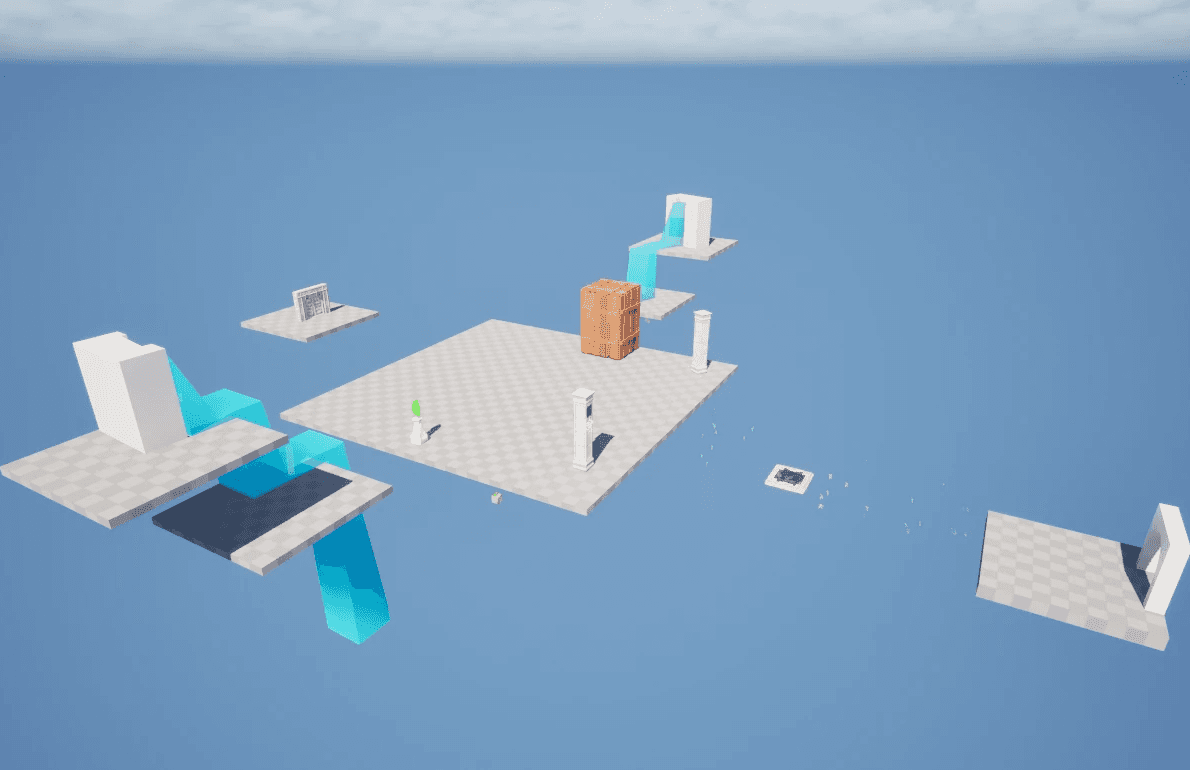
Earth Island was built around creating temporary platforms for traversal and puzzle solving. The main goal was to make the Earth ability useful while keeping the puzzle flow controlled.
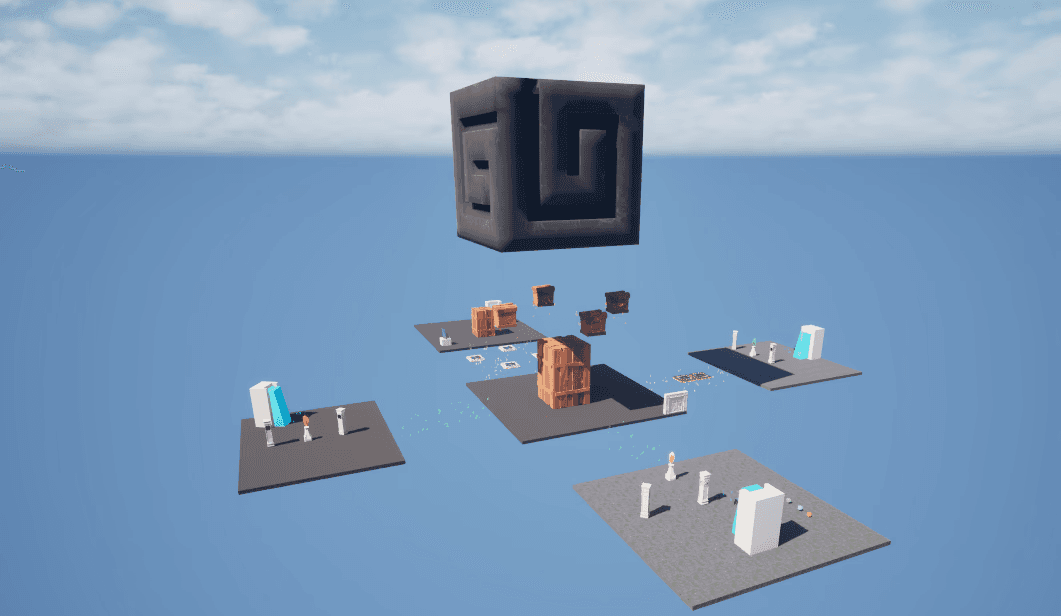
Cube Island was designed as the final puzzle area, bringing together the mechanics from earlier islands around the central cube. The goal was to make it feel like the final step of the journey, not just another separate puzzle.
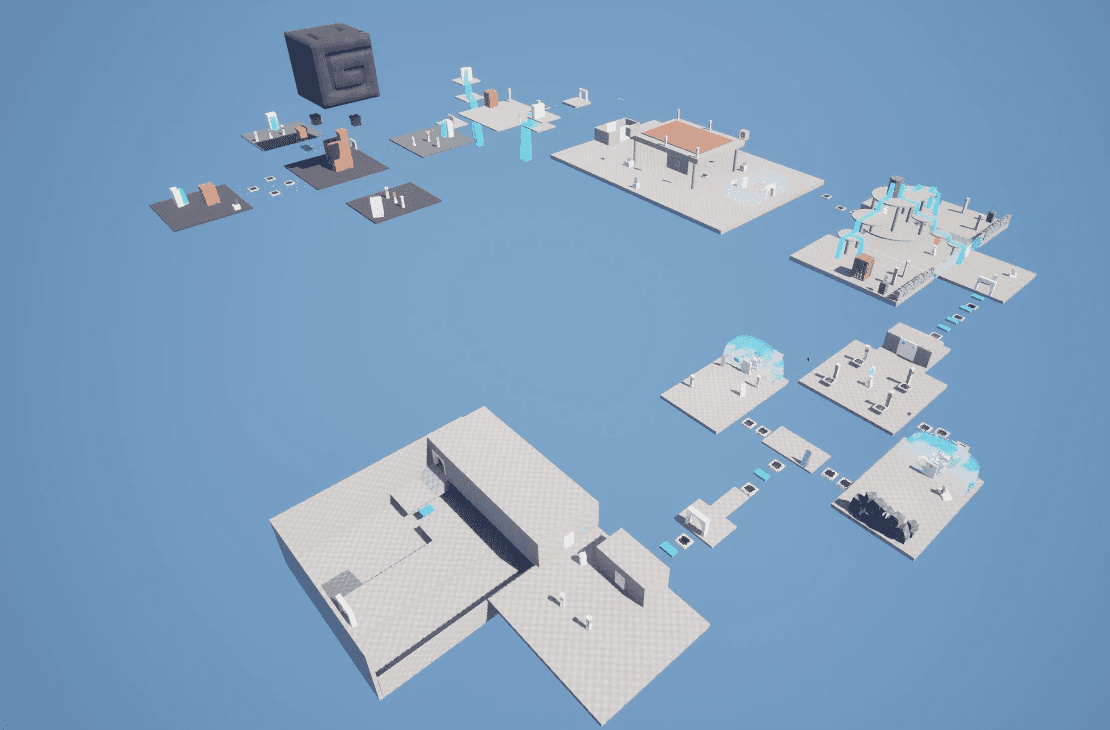
The overall island layout was built in a circular shape so the player could see the final cube island from all parts of the world. This helped make the final island feel like a clear goal throughout the journey, instead of something that only appears at the end.
Week 6: Playtesting & Readability
After Alpha and Beta feedback, my focus shifted more toward clarity. I checked how players understood the puzzles and adjusted areas that were confusing or hard to read.
Key work:
Puzzle readability improvements
Player path adjustments
Gameplay checks after art pass
Week 7: Final Polish & Optimization
In the final stage, I focused on making the full game playable from start to finish while improving performance. Alongside puzzle checks and collision fixes, I looked into optimization because the world had several visible islands, many assets, foliage, materials, and effects running at the same time.
We tested level streaming, but for the final setup we mainly used cull distance because it worked better for our current build. I adjusted cull distance settings, checked far-island objects, reduced unnecessary collision, looked at shadows and small props, and helped tweak texture quality. These changes helped improve the FPS from around 50 to around 80.
Key work:
Final puzzle checks
Collision fixes
Layout polish
Level streaming test
Cull distance setup
Far-island optimization
Texture quality tweaks
Final performance and build testing